You’re Not Alone: Understanding Postpartum Depression & Finding Your Way Back to Yourself
Summer is a season of new beginnings, longer days, fresh air, and for many families in the Buffalo area, the arrival of a new baby. But what happens when the joy everyone expects you to feel just… doesn't show up? Or when it shows up alongside something heavier, something harder to name?
If you've recently given birth and you're not feeling like yourself, you are not alone, and you are not failing.
At Audubon Women's Medical Associates, we see this every day. Postpartum depression (PPD) is one of the most common complications of childbirth, affecting approximately 1 in 5 new mothers. And yet, because so much of the conversation around new motherhood focuses on happiness and gratitude, too many women suffer in silence, wondering if something is fundamentally wrong with them. There isn't. But there is something that deserves care, and there is real help available.
First: What's the Difference Between "Baby Blues" and Postpartum Depression?
Nearly 80% of new mothers experience the "baby blues" — a period of tearfulness, worry, and emotional sensitivity in the first week or two after delivery. This is a normal hormonal shift, not an illness, and it typically resolves on its own within two weeks.
Postpartum depression is different. It lasts longer, feels more intense, and affects your ability to function and connect with your baby. Signs to watch for include:
- Persistent sadness or unexplained crying
- Feeling irritable, angry, or emotionally numb
- Difficulty bonding with your baby
- Withdrawing from family, friends, or activities you once enjoyed
- Trouble concentrating or making decisions
- Changes in appetite or sleep (beyond typical newborn disruptions)
- Feelings of worthlessness, guilt, or hopelessness
Postpartum anxiety, which often gets less attention, can also be debilitating. Constant, overwhelming worry about your baby's health, panic attacks, physical symptoms like headaches or nausea, and an inability to rest even when your baby is sleeping are all signs that deserve attention. If any of these sound familiar, please reach out to your provider. This is not a character flaw. It is a medical condition, and it is treatable.
Why Does Postpartum Depression Happen?
There is no single cause, and it is important to understand that PPD is not caused by anything you did or didn't do. Research points to a combination of factors:
- Hormonal shifts. After delivery, estrogen and progesterone levels drop dramatically and rapidly, one of the largest hormonal changes the human body experiences. For some women, this shift triggers depression or anxiety, much the way hormonal fluctuations can trigger mood changes during PMS or perimenopause.
- Sleep deprivation. Chronic sleep disruption doesn't just make you tired, it affects brain chemistry, emotional regulation, and your ability to cope with stress.
- Physical recovery. Childbirth is demanding on the body. Pain, physical changes, and breastfeeding challenges can all compound emotional strain.
- Life circumstances. Inadequate support at home, financial stress, a difficult delivery, or a history of depression or anxiety all increase risk. So does a tendency toward perfectionism, the pressure to be a "perfect mother" is real, and it can be crushing.
You may have had every advantage going into motherhood and still develop PPD. It does not discriminate.
Real Solutions for PPD: What Actually Helps
The good news is that postpartum depression responds well to treatment. Here's what the evidence, and our team, recommends:
1. Talk to Your OB/GYN Provider First
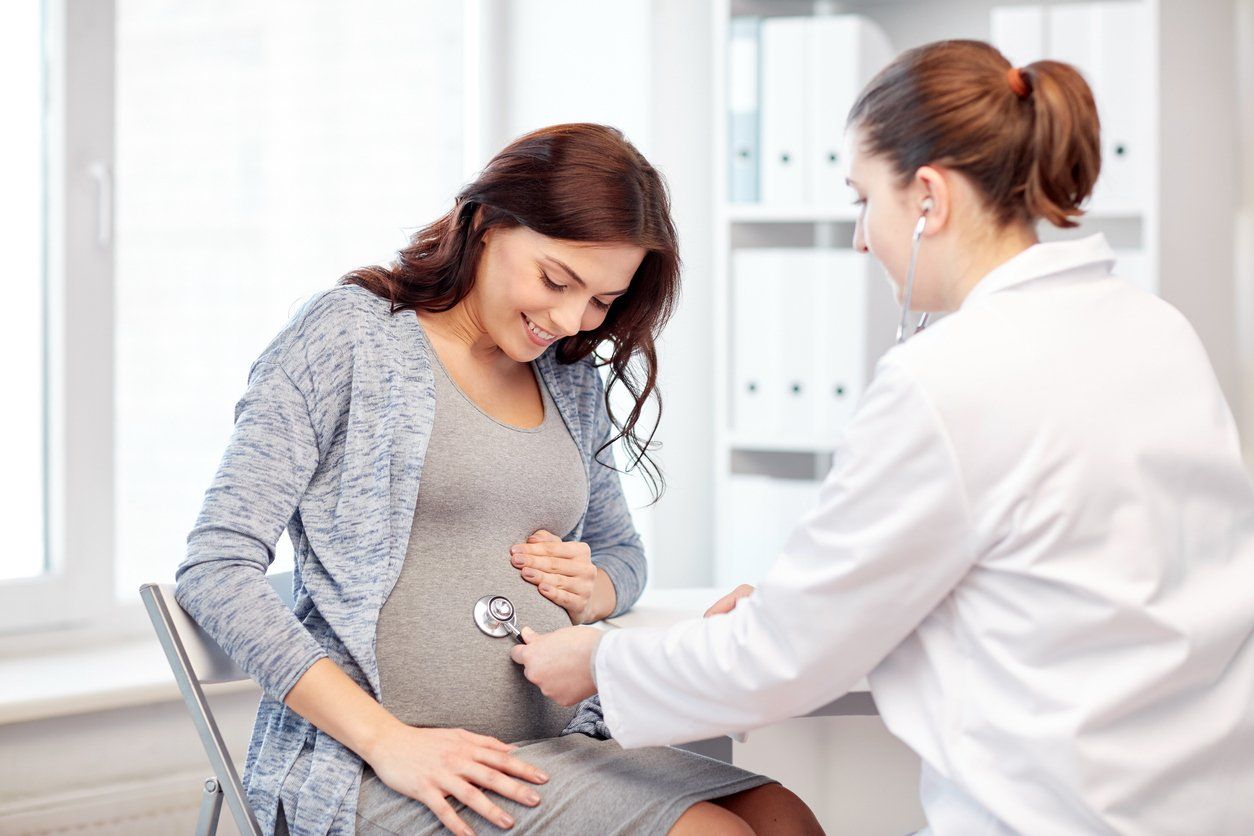
Your provider is your first and most important resource. At Audubon Women's, our team is trained to screen for perinatal mood disorders, talk with you openly about what you're experiencing, and connect you with the right care, whether that's therapy, medication, or both. You won't be judged. You will be heard.
Don't wait for your six-week postpartum visit if you're struggling. Call us. That's what we're here for.
2. Consider Therapy — Especially Specialized Therapy
Certain types of therapy are highly effective for PPD, particularly cognitive behavioral therapy (CBT) and interpersonal therapy (IPT). Working with a counselor who specializes in perinatal mood disorders means you're getting support from someone who understands the unique emotional landscape of new parenthood. Audubon Women's offers counseling services and can connect you with providers in the Buffalo community who specialize in this area.
3. Medication Can Be Safe and Effective
Many women are hesitant to consider antidepressants while breastfeeding, which is completely understandable. But there are medications that are well-studied and considered safe during the postpartum period. This is a conversation worth having with your provider — the risks of untreated depression are real too, for both you and your baby.
4. Build Your Village (Even When It's Hard)
Isolation makes PPD worse. Even when reaching out feels impossible, letting people help you matters. This might look like:
- Asking a family member to take a night feeding so you can sleep
- Joining a new moms support group (in-person or online)
- Accepting meals, help with the house, or childcare without guilt
- Being honest with your partner or a trusted friend about how you're really doing
Connection is medicine.
5. Protect the Basics
Sleep, nutrition, and movement won't cure postpartum depression on their own, but neglecting them makes everything harder. When you can: rest when the baby rests, eat regularly (even if it's simple food), and get outside. Even a short walk in the summer air can shift your nervous system in meaningful ways.
6. Be Radically Kind to Yourself
There is no such thing as a perfect mother. Social media is not real life. Your baby does not need you to be perfect, they need you to be present, and getting help is exactly how you show up for them.
A Note on Summer
Summer can be a particularly disorienting time to have a new baby. Friends and family seem busy, social events feel exhausting or inaccessible, and the contrast between the sunny, active world outside and how you feel inside can make the loneliness sharper.
If July feels like the longest month of your life, please know that this is not your forever. With the right support, women recover fully from postpartum depression — and many describe coming out the other side with a deeper sense of self and resilience than they had before.
We're Here for You
At Audubon Women's Medical Associates, we provide postpartum depression screening and support as part of our whole-person approach to women's health. Our all-women team of OB/GYN providers and nurse practitioners has cared for women across all phases of life for over 25 years, and we understand that the postpartum period is one of the most vulnerable.
If you're struggling, please reach out.
(716) 568-4456 • 2240 N Forest Rd, Buffalo, NY 14221
You deserve to feel well. Let us help you get there.
If you or someone you know is in crisis, please contact the Postpartum Support International Helpline at 1-800-944-4773 or text "HELLO" to 741741 (Crisis Text Line). In an emergency, call 911 or go to your nearest emergency room.
Audubon Women's Medical Associates, PC serves patients in Buffalo, Amherst, Williamsville, Clarence, Tonawanda, North Tonawanda, and surrounding areas. Schedule an appointment or learn more about our postpartum depression services.